

Solar
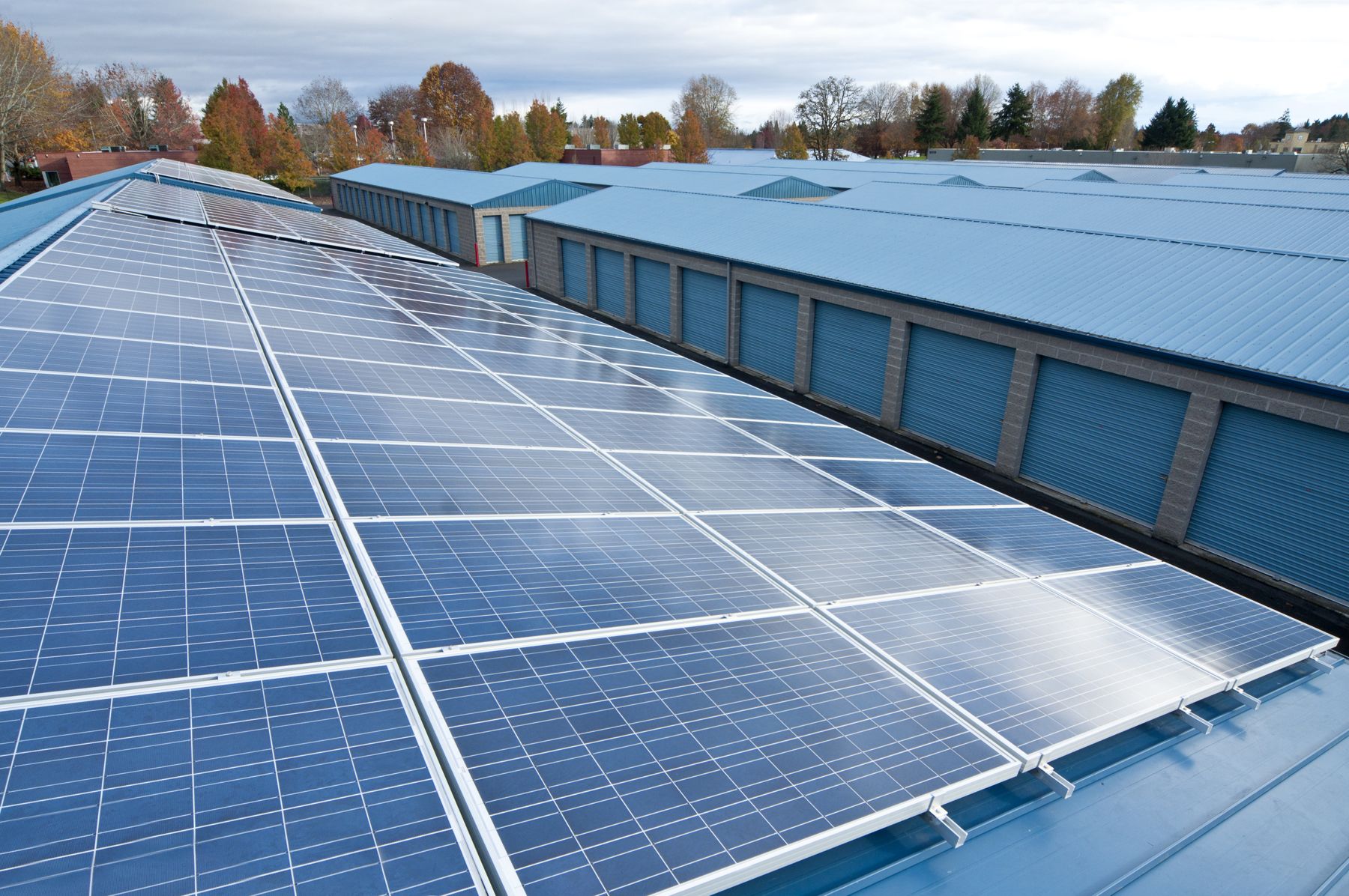
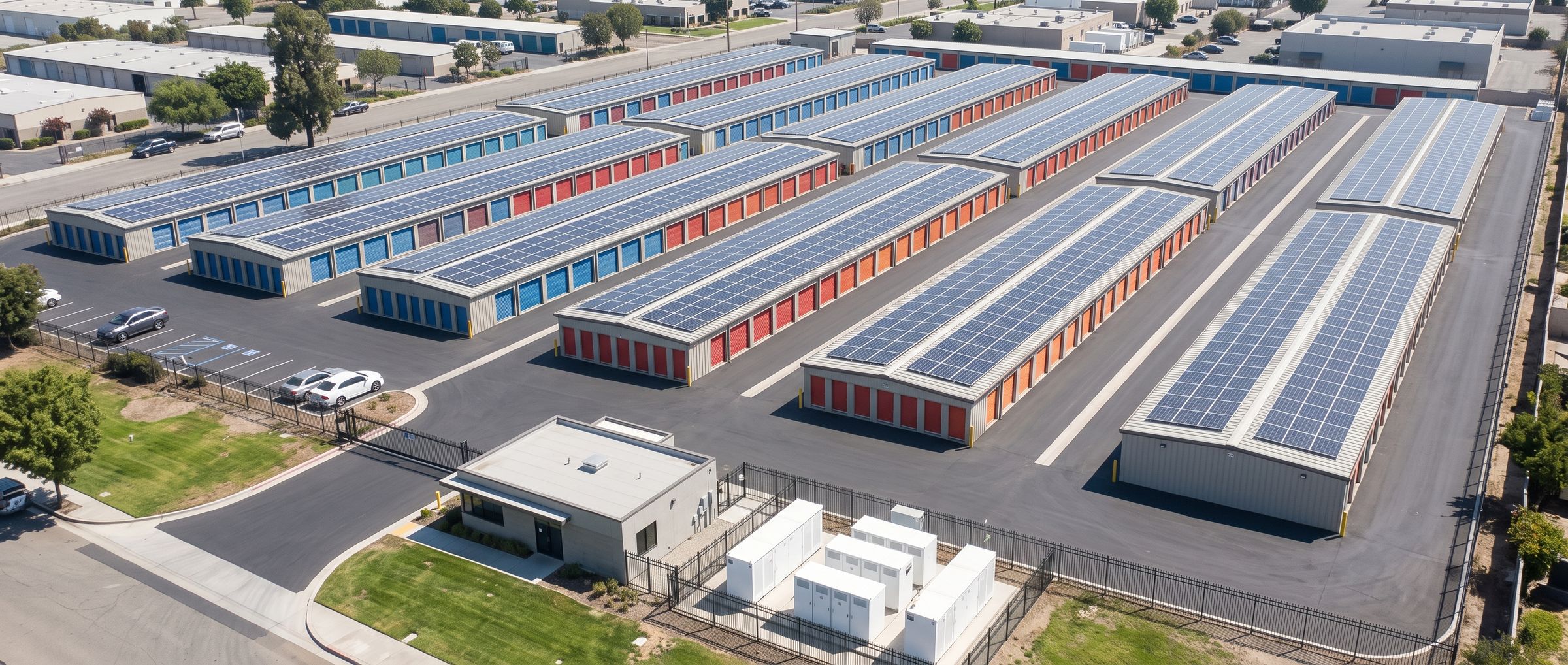
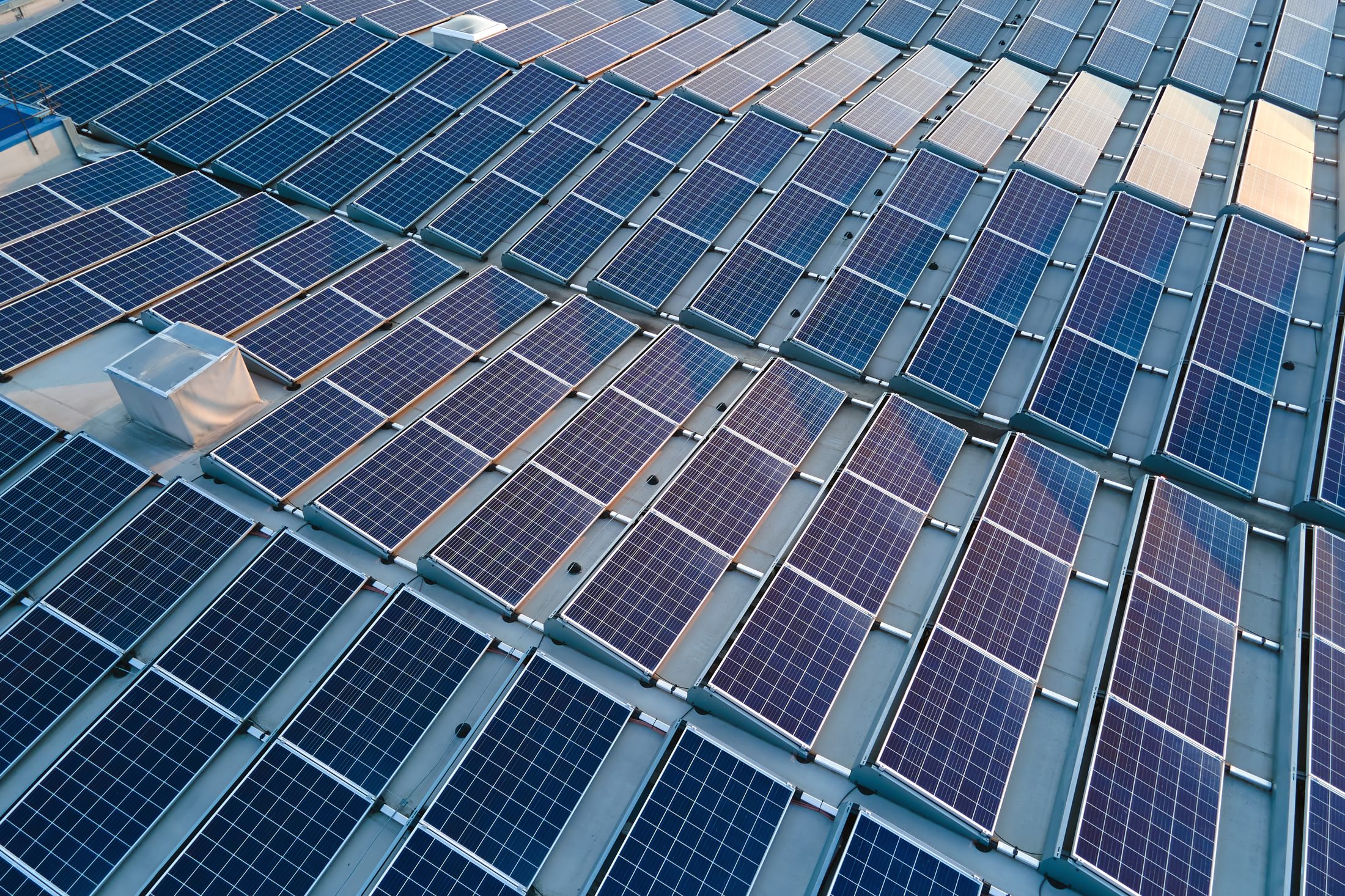
Rooftop, carport or ground-mount. Solar takes the energy line off the bill wherever there's open roof and steady daytime use.
Every engagement starts with a Scorecard: a building energy assessment that shows which technologies fit each of your buildings, what they'd save, and how you'd pay for them.
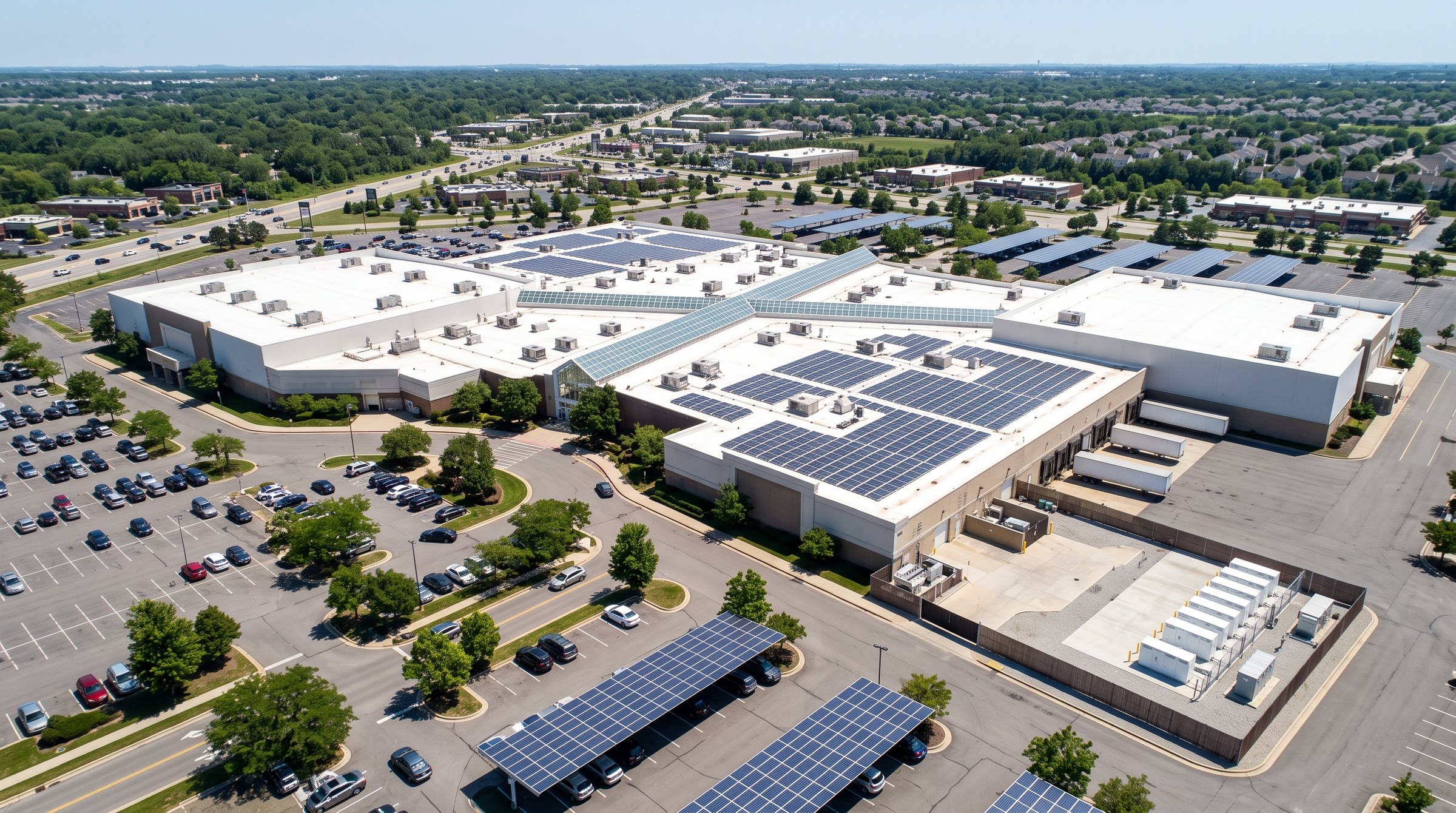
Long hours of energy use with heavy cooling. Solar cuts the daytime costs; storage trims the monthly peak; fuel cells carry the steady demand.
Our proprietary process screens geography, energy usage, asset type, incentives and more. Our analysis scores your asset for what drives the best ROI.
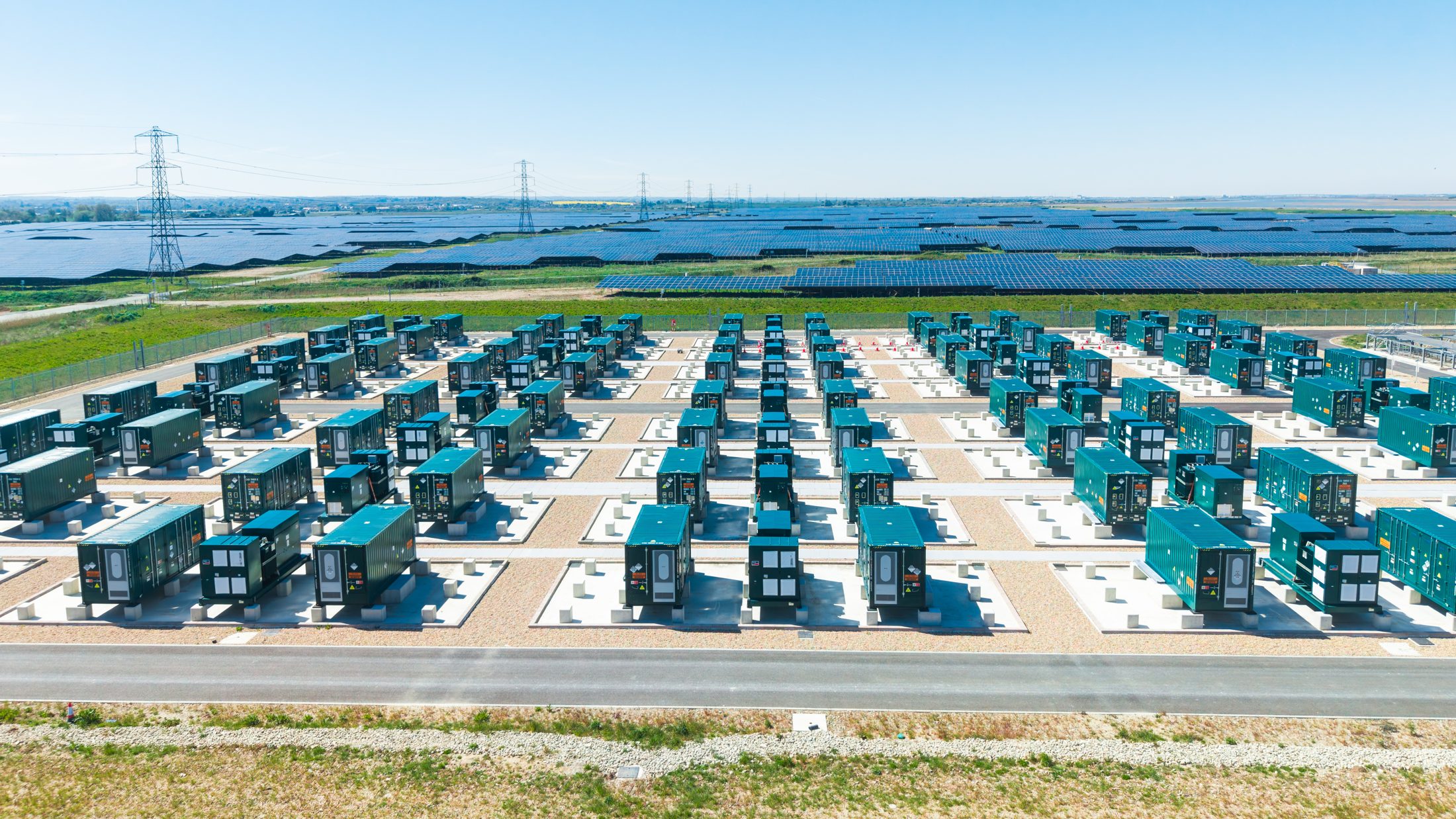
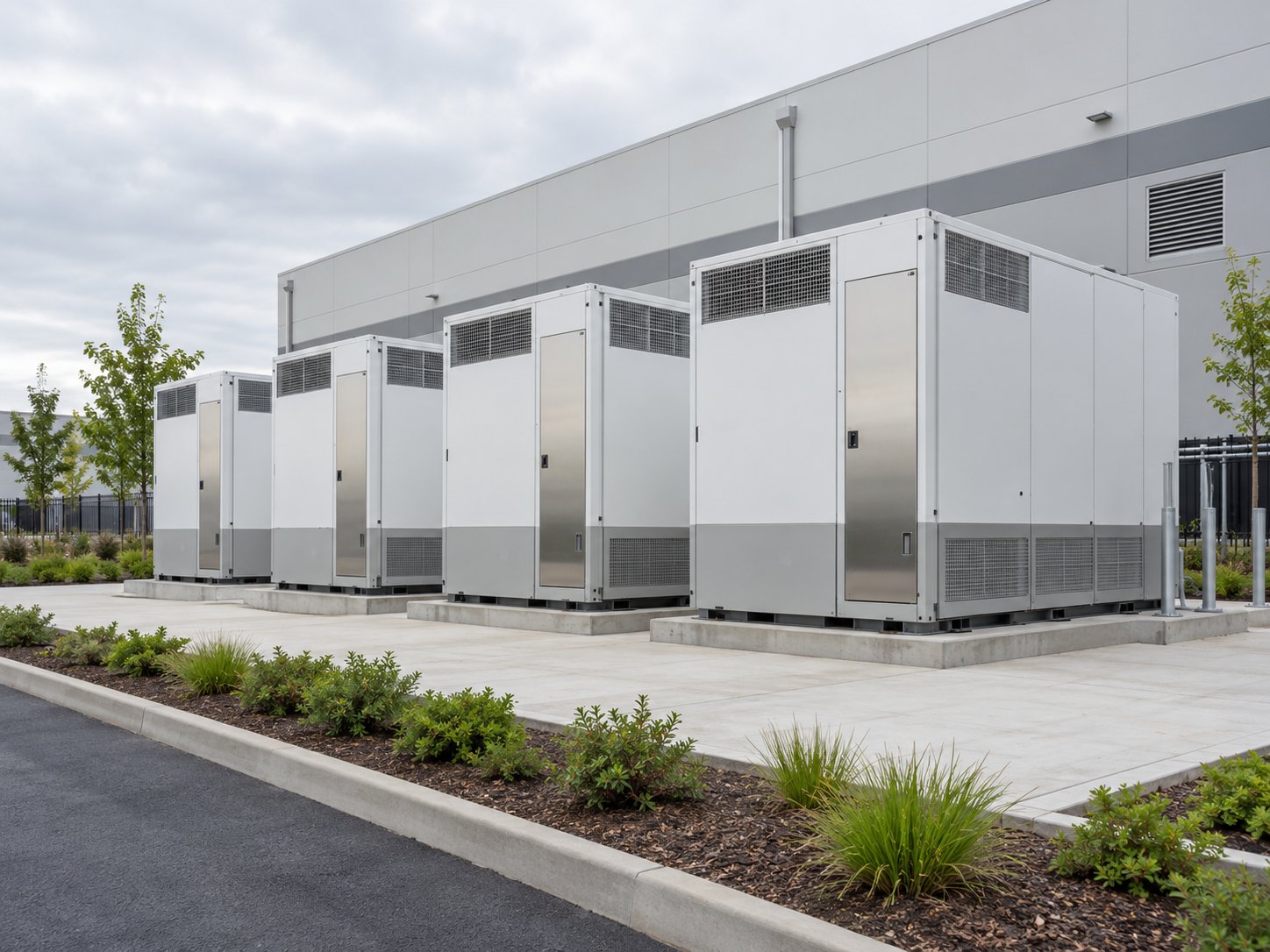
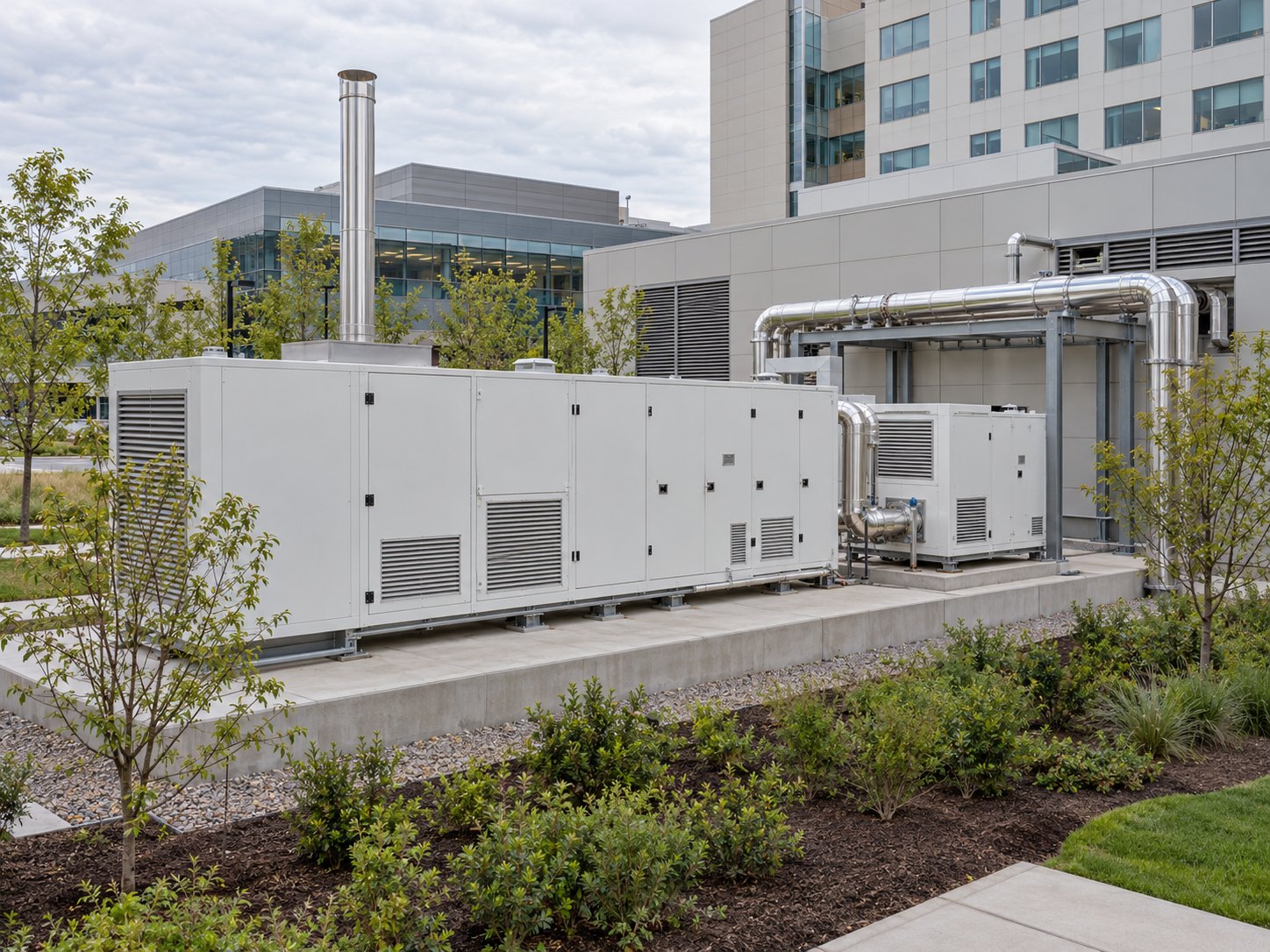
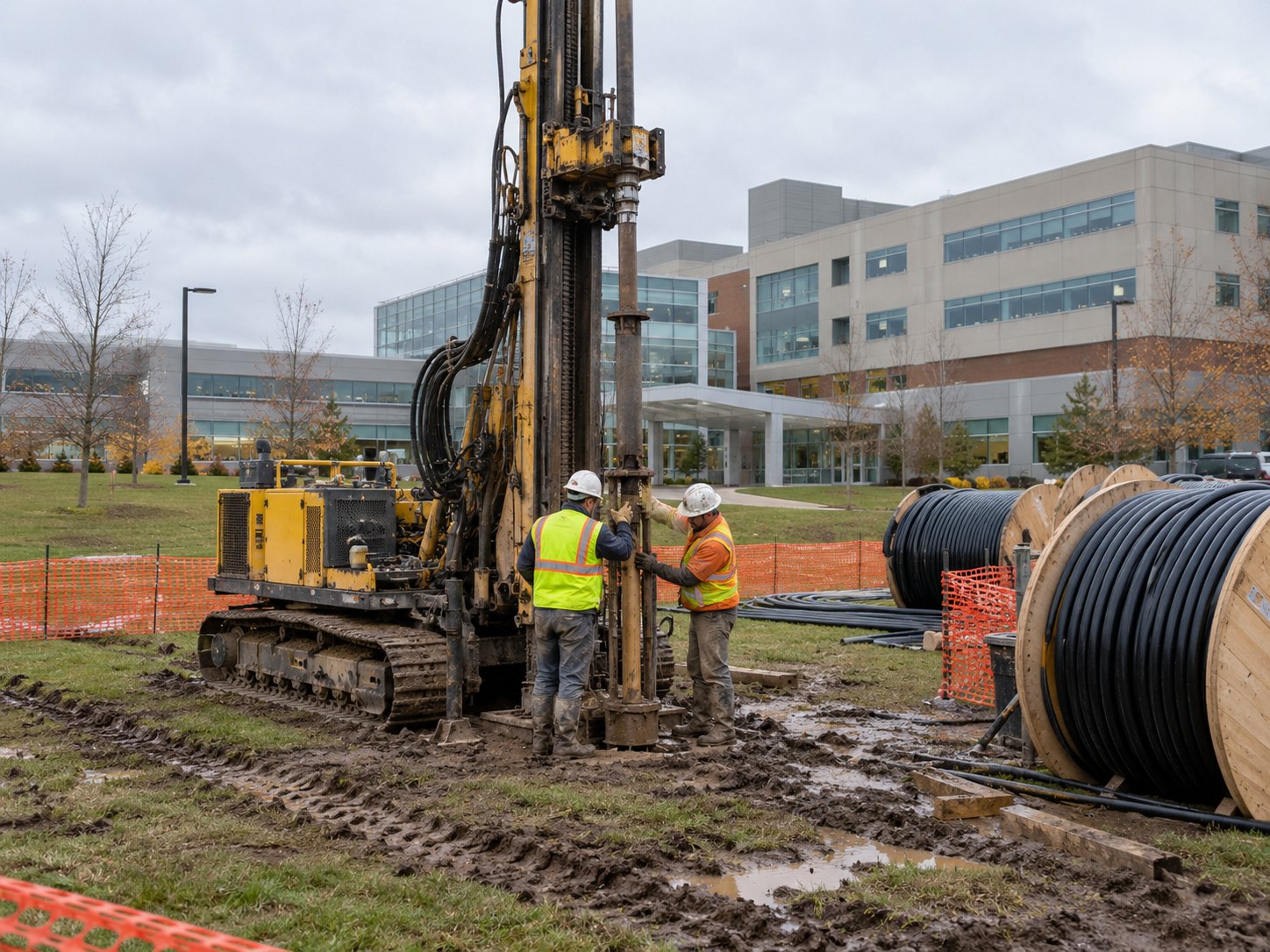

Rooftop, carport or ground-mount. Solar takes the energy line off the bill wherever there's open roof and steady daytime use.
Stores power when it's cheap and releases it into the building when rates peak. When the grid goes down, it keeps critical systems running.
Steady power generated on site, around the clock. Built for buildings that can't afford to go dark.
Makes electricity on site and recovers the heat to offset your boilers. It pays where a building uses both, all day.
Heating and cooling from the ground beneath your building. Best timed to your next HVAC replacement.
Microreactors for the largest campuses. Not deployable at building scale yet; we track the pilots and will add them when they are.
Send the bills. The Scorecard tests each source against each building's electricity usage, utility rates and finances.
Every dollar of energy saved adds a dollar of net operating income (NOI). Buildings are valued as a multiple of NOI, so those savings are worth many times over when you value or sell the building.